Guides
How to Read Fragrance Notes
Learn what top, middle, and base notes mean, how perfumes change on skin, and why the same note can smell different in two fragrances.
Reading-list saves stay on this device.
A perfume description might list lemon, rose, and sandalwood. That tells you something about its smell, but not how those notes work together. One could be mostly fresh and citrusy, while another with the same notes could smell soft and woody.
Notes describe smells you may notice in a fragrance. They are useful when choosing what to try, especially once you know which scents you enjoy.
Top, middle, and base notes
Perfume descriptions often divide notes into three groups:
- Top notes are the smells you notice first. Citrus notes, such as lemon and bergamot, often appear here.
- Middle notes, also called heart notes, describe the main character as the first burst settles.
- Base notes describe smells that tend to remain later, such as woods, musk, or vanilla.
The Perfume Society explains these groups using a note pyramid. It is a simple guide to how a perfume develops. The stages overlap, so you might smell a woody base from the first spray rather than having to wait for it.
There is no fixed time when the top notes end and the middle notes begin. Some perfumes change a lot as you wear them. Others smell fairly similar from beginning to end, gradually becoming softer. You may see these described as linear.
What an accord means
An accord is a blend of materials that creates a particular smell. A perfumer can make something that reminds you of leather, the sea, or warm milk without putting those things into the bottle.
Amber is a good example. In perfume, it often describes a warm, sweet scent. The Perfume Society's ingredient guide explains how vanilla can be blended with other materials to create this effect. Some amber perfumes are sweeter or drier than others.
A note list describes the scent rather than giving you the full ingredient list. Seeing pistachio in the description does not mean the perfume will smell exactly like a handful of nuts. It might remind you more of something roasted, creamy, or sweet.
Look at how the note is described
Words around a note can be as helpful as the note itself. A rose can be described as fresh, powdery, or jammy. Vanilla may smell sugary in one perfume and dry or woody in another.
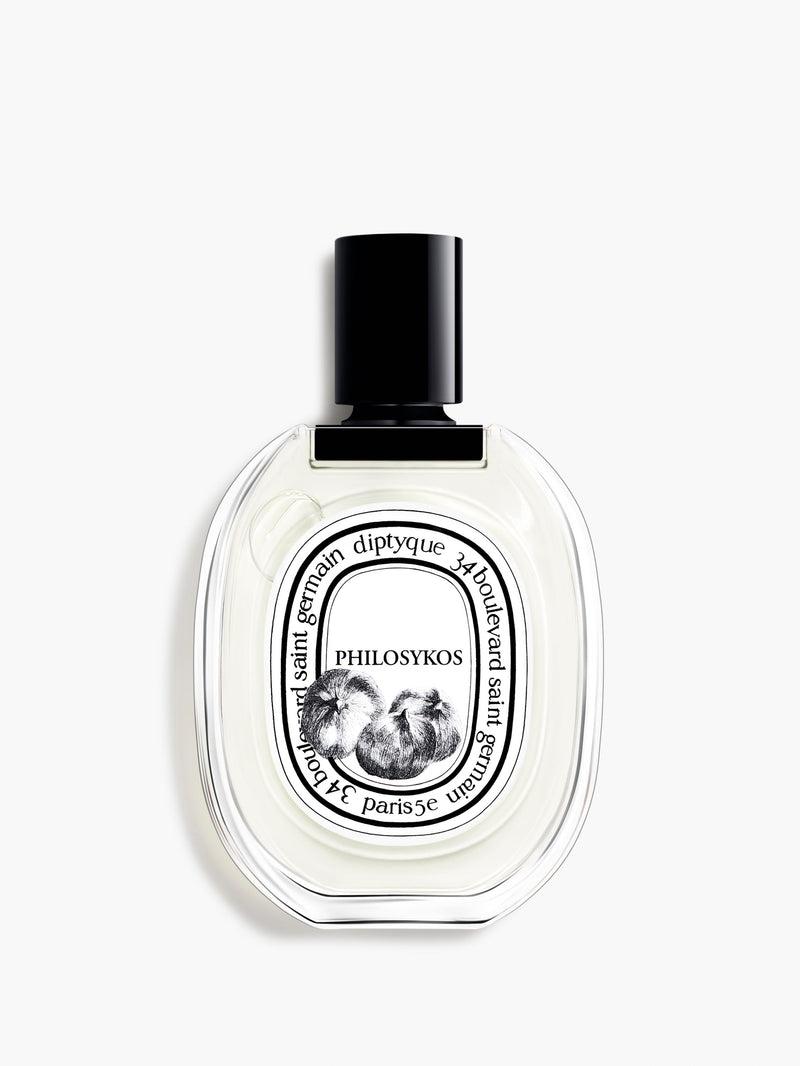
Philosykos Eau de Toilette shows why this matters. Diptyque describes the leaves, fruit, and wood of a fig tree. Reading only the word “fig” could make you expect a much simpler fruit scent.
Keep your curiosity going.
Guides
How to Find a Fragrance You'll Actually Love
A simple guide to choosing a perfume, from finding scents you enjoy to testing samples before you buy.
Guides
EDT vs EDP vs Parfum vs Extrait
Understand perfume concentration labels and learn how to choose between different versions of the same fragrance.