Guides
EDT vs EDP vs Parfum vs Extrait
Understand perfume concentration labels and learn how to choose between different versions of the same fragrance.
Reading-list saves stay on this device.
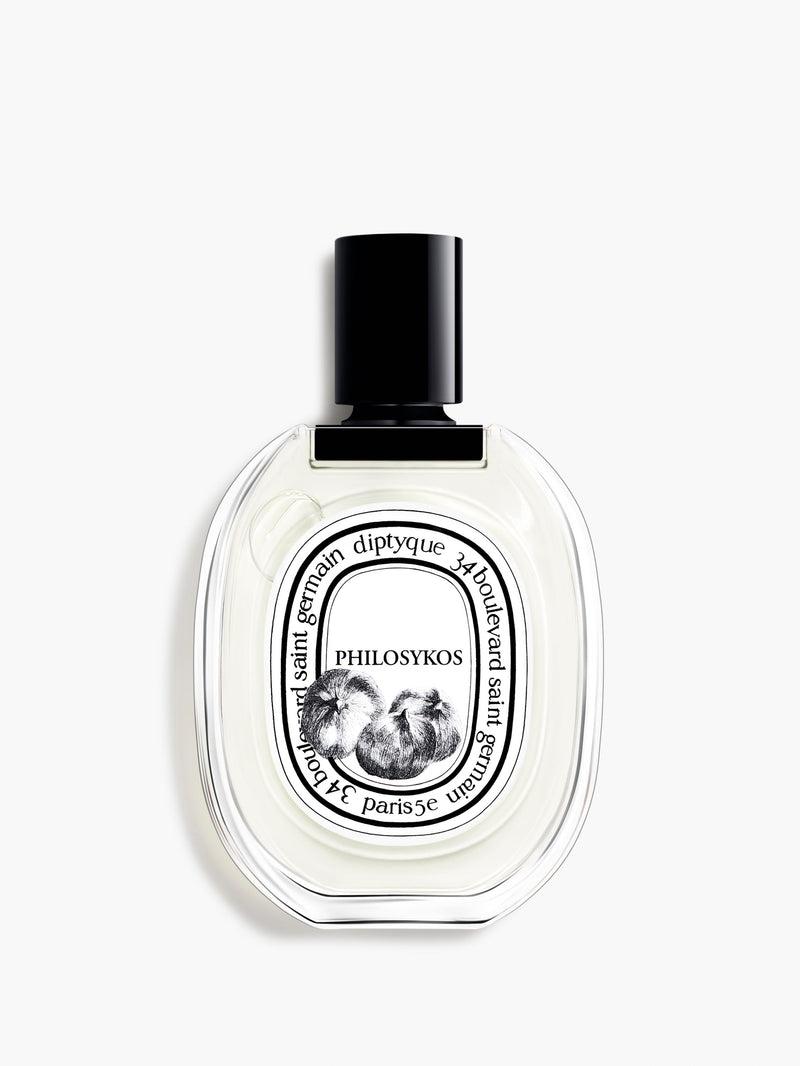
You have probably seen EDT, EDP, parfum, and extrait on perfume boxes. These names generally describe how much fragrance concentrate is in the finished perfume.
A higher concentration does not automatically mean a better perfume, a stronger smell, or a longer wear time. The ingredients and the way they are blended matter too. If you are choosing between versions of a perfume, it helps to smell each one.
What the labels mean
The International Fragrance Association gives these typical ranges for alcohol-based fragrances:
| Label | Full name | Typical concentration |
|---|---|---|
| EDT | Eau de toilette | 5–15% |
| EDP | Eau de parfum | 10–20% |
| Extrait | Perfume extract | 15–40% |
These ranges overlap, and there is no single definition that every brand follows. Parfum is also commonly used for a concentrated perfume, but the word alone does not tell you its exact percentage. Check the brand's information if you want to know more about a particular bottle.
The concentrate is a blend of scent materials. It can include both natural and synthetic ingredients, so the percentage is not a measure of how much natural essential oil is in the bottle.
Different versions can smell different
An EDP is not always an EDT with more fragrance added. A brand may change the balance of the ingredients or use different notes. The Perfume Society also explains that concentrations can differ in smell as well as strength.
Diptyque's Philosykos is a useful example. The brand describes its Eau de Toilette through the leaves, milky fruit, and wood of a fig tree. In the Eau de Parfum, Diptyque gives more emphasis to white cedar and the tree's woody character.
That difference may matter more to you than the concentration. Someone who enjoys the fruit could prefer one version, while someone looking for a woodier scent might prefer the other.
Lasting longer and smelling stronger are different
Longevity means how long you can still detect a perfume. Projection means how far the scent reaches around you. Sillage is the trail it leaves as you move.