News · Industry news
Creed, Dupes, and TikTok: What's Behind the Nobilis Group Controversy?
Why a distributor's complaints against fragrance reviewers sparked a wider debate about perfume comparisons, brand rights, and creator accounts.
Reading-list saves stay on this device.
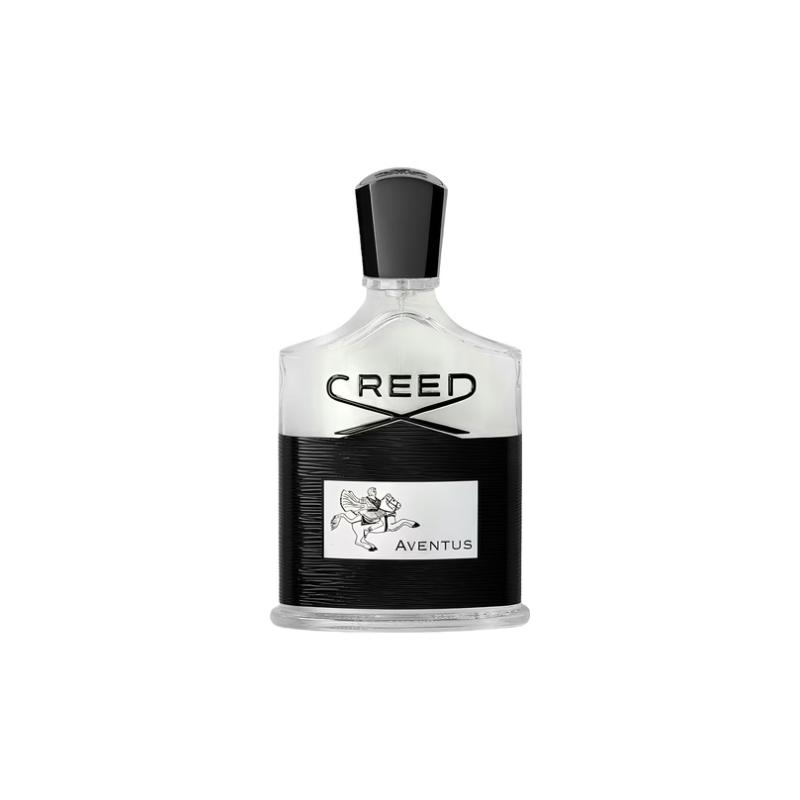
A German fragrance distributor has come under criticism from creators after intellectual property complaints led to TikTok account suspensions.
Creators including Noel Deyzel, known as Noel Smells, and Patrón Profumo had their TikTok accounts suspended after intellectual property complaints involving fragrance comparison videos. Both later regained access to their accounts, according to Beauty Independent's reporting.
One video at the center of the disagreement compared Creed Aventus with a less expensive alternative from ALT. Fragrances. The creators maintain that the comparisons are legitimate reviews. Nobilis disputes that characterization and says it reports suspected violations of advertising and intellectual property rules.
Creed is not owned by Nobilis
Creed became part of L'Oréal on March 31, 2026, when the company completed its acquisition of Kering Beauté.
Nobilis is a distributor and service partner in European markets, particularly German-speaking countries. Its brand portfolio currently lists 66 names, including Creed, Amouage, Maison Francis Kurkdjian, Nishane, Xerjoff, and Montblanc.
Its business also extends into travel retail. In 2023, airport retailer Gebr. Heinemann acquired a 50% stake in Nobilis, as documented in Heinemann's annual report.
Nobilis has challenged dupe advertising before
Nobilis had already taken action against fragrance imitation advertising before the TikTok dispute.
In May 2025, the company announced a final legal victory against ÉCLAT, a German seller of imitation fragrances. The case concerned promotional comparisons, including customer reviews used in a seller's marketing. Germany's Federal Court of Justice rejected ÉCLAT's attempt to challenge an earlier ruling.
The ÉCLAT case and the TikTok dispute are not identical. ÉCLAT used comparisons to sell its own fragrances. The creators involved in the latest dispute say they were reviewing products independently.
That does not establish whether any particular TikTok video was lawful. Sponsorships, affiliate arrangements, and local advertising rules can affect how a comparison is assessed.
Who decides whether a video stays online?
Nobilis says it reports content it believes violates the law. TikTok then applies its own platform rules, which can result in removed videos, strikes, and account suspensions.
Keep your curiosity going.
Culture
Do You Still Need a Signature Scent?
A favorite perfume can still have a place in a small collection. A look at why people choose different scents and when one bottle is enough.
Culture
Why Arabian Perfumes Became So Popular
How easier access, social media, and a wide choice of prices and styles have introduced more people to Middle Eastern perfume brands.